Find a lookout that suits your walk, then enjoy the coast whether whales appear or not.
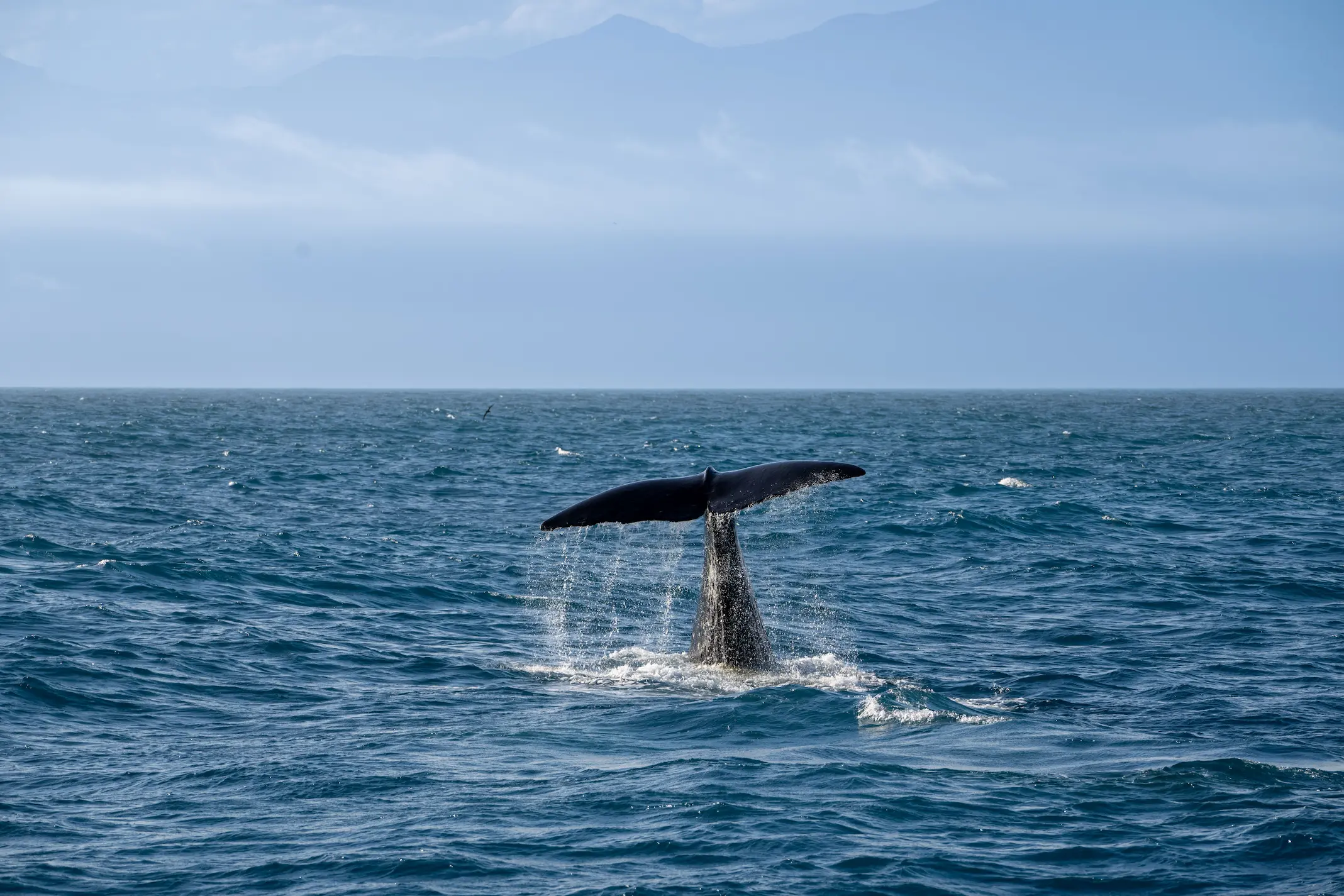
Whale watching Noosa in October is a chance, not a booking with the animals. Humpback whales may pass the coastline during their migration, and Queensland Parks describes June to November as a period when visitors might spot them from Noosa National Park. A clear view, time to look and a little luck are the ingredients. This guide helps you choose a safe coastal walk and a useful viewing point without promising a sighting.
The headland is worth the trip even on a quiet wildlife day. Lookouts, beaches and changing coastal vegetation make a short outing satisfying for families, while walkers with more time can continue farther along the official track. Choose the route for the people with you first, then bring binoculars if watching the water is part of the plan.
Is October good for whale watching Noosa?
October falls within the broad humpback migration viewing period given by Queensland Parks for Noosa National Park. The park authority names Dolphin Point and Hell’s Gates among the best spots to watch from land. Whales are wild animals, so a migration season tells you when it is possible, not when a particular whale will appear. Sea state, light, weather and where the animals travel all affect what you see.
Start by looking across the water from a safe, established lookout. A plume of spray, a dark back or a tail may draw your attention. Binoculars help you scan without moving close to cliff edges. Allow time to watch and enjoy the scenery; a quick photograph stop is less likely to reveal distant movement than a patient pause.
If October is your only chance, make the outing worthwhile even without a whale. The Noosa Headland section has ocean views, pandanus, coastal she-oaks and other wildlife. Dolphins or turtles may sometimes be visible, but they too are possible sightings rather than guaranteed features of a visit. Bring water, sun protection and a plan for a nearby meal or beach stop afterwards.
Short whale watching Noosa walk to Boiling Pot
The Boiling Pot is about 300 metres one way from the Noosa Headland day use area. It gives visitors a short, practical first lookout and a chance to judge conditions before walking farther. Queensland Parks describes the section as sealed and barrier free, with assisted wheelchair access possible to this point. Gradients and individual needs still matter, so check the official accessibility notes before setting out.
This is a good choice for a group with limited time, young children or a person who does not want a long hike. Take the same path back, or continue only if the group is comfortable. Bring binoculars, but do not treat the lookout as a promised whale sighting location. Its strength is an easy coastal view with the option to extend the day.
The approach from Hastings Street to the national park entrance is a separate walk of about one kilometre and includes steps. It is not equivalent to the more accessible short section from the day use area. If accessibility is central to your visit, plan the entire route, parking or drop-off, toilets and return journey rather than checking only the lookout distance.
Dolphin Point and Hell’s Gates for whale watching Noosa
Dolphin Point is about 1.2 kilometres one way from the headland day use area. The outlook over the ocean makes it a natural place to stop and scan for whales. Parts of the path are sealed, but gradients increase beyond the Boiling Pot. Queensland Parks warns that some sections are steep and that assisted access may be required; read its Coastal Walk details instead of assuming an easy paved path throughout.
Hell’s Gates is about 2.7 kilometres one way from the day use area. The track beyond Dolphin Point includes unsealed surfaces, steps and steep sections. It is not suitable for wheelchairs or strollers. Allow time for the return, carry water and turn back if heat, weather or fatigue makes the longer section a poor choice. The safest place for a photograph is on the formed track or at an established lookout, well away from the cliff edge.
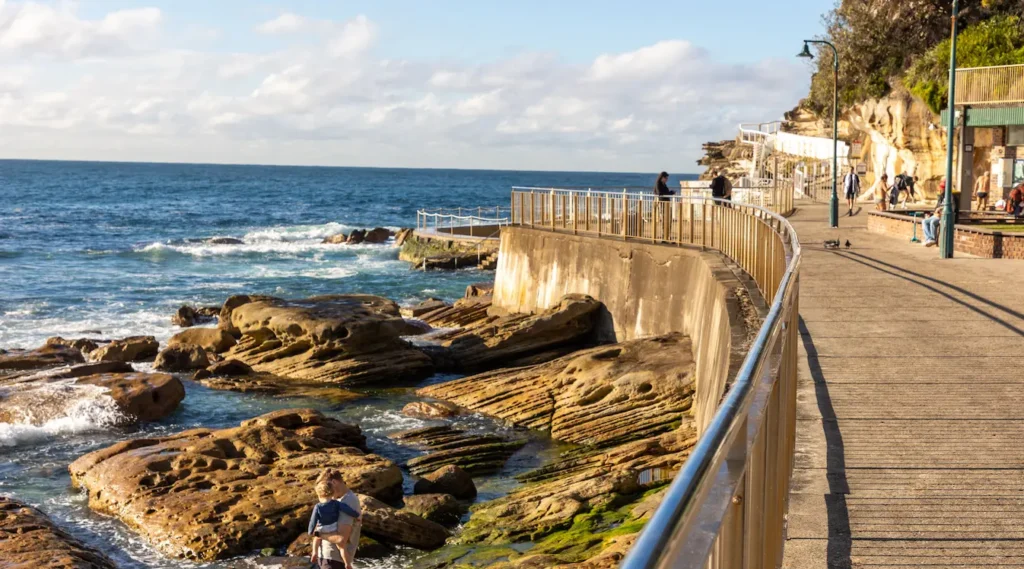
The full Coastal Walk between the headland and Sunshine Beach is a more demanding undertaking. Queensland Parks lists it as a 10.8 kilometre return journey with a suggested four hours of walking and an overall Grade 4 classification. You do not need the entire route to try shore based whale watching. A shorter out and back to a lookout often leaves more time to observe the ocean.
Another whale watching Noosa viewpoint at Laguna Lookout
Laguna Lookout gives a wide view of the bay from a different angle. Queensland Parks also identifies it as a possible whale viewing point during migration. It is a separate attraction from the Coastal Walk, so do not describe it as a stop along the headland track. If you are driving between viewpoints, allow time to park and read the lookout’s access information.
For walkers approaching from Hastings Street, the listed foot route up through Yanaman Bushland Reserve is steep. A visitor seeking a gentle outing should not assume the distance alone describes the effort. Consider this lookout as an alternative view rather than a requirement to complete a list. A calm morning at one place is often more enjoyable than trying to cover several vantage points in a hurry.
If conditions are hazy or windy at one lookout, another may not solve the problem. Check the forecast and park alerts, and be prepared to turn the day into a coastal scenery walk. This is a nature outing with a possible wildlife highlight, not a fixed observation program.
How to plan a safe Noosa coastal walk
Begin at the Noosa Headland day use area at the end of Park Road, then pick a turn-around point that suits your group. Parking is limited, particularly in busy periods, and Queensland Parks encourages walking, cycling or public transport where practical. If you are staying near Hastings Street, the seaside boardwalk can form part of the trip, remembering its steps. Carry drinking water, wear suitable shoes and protect yourself from the sun even if the day feels mild at the start.
Stay behind barriers and away from cliff edges. Keep children close, and do not scramble onto rocks for a better view. Queensland Parks notes that beaches around the national park are unpatrolled and does not recommend swimming there. If swimming is part of the day, choose a nearby patrolled beach and follow local safety advice. The Alexandria Bay section of the longer route is affected by surf and tides, another reason to read current conditions before attempting the full walk.
Check park alerts and visiting safety advice on the day. Weather, track conditions and personal mobility matter more than a suggested walking time. If someone in the group is tired, a short return from Boiling Pot or Dolphin Point is a complete outing, not a failed version of a longer walk.
Land based watching or a whale tour?
A coastal walk is flexible and does not require a ticket, but it offers no guarantee of a close view. A licensed tour may take visitors onto the water during the operator’s season, subject to weather and availability. Tour routes, accessibility, departure points and wildlife policies vary. Compare the current details with the provider before booking; October can be towards the end of some operators’ advertised seasons.
If you prefer a tour, plan an alternative activity in case conditions prevent departure. A land based lookout remains an easy way to enjoy the coastline, while a tour can make the day more focused on the ocean. Neither should be sold as a guaranteed sighting. Give wildlife room and follow the guide’s instructions on the water or park rules on land.
Support local operators and visitor services through Noosa Life attractions after checking the current listing and booking conditions. The right option depends on whether your group values a walk, a boat experience, accessibility or a relaxed day with several stops.
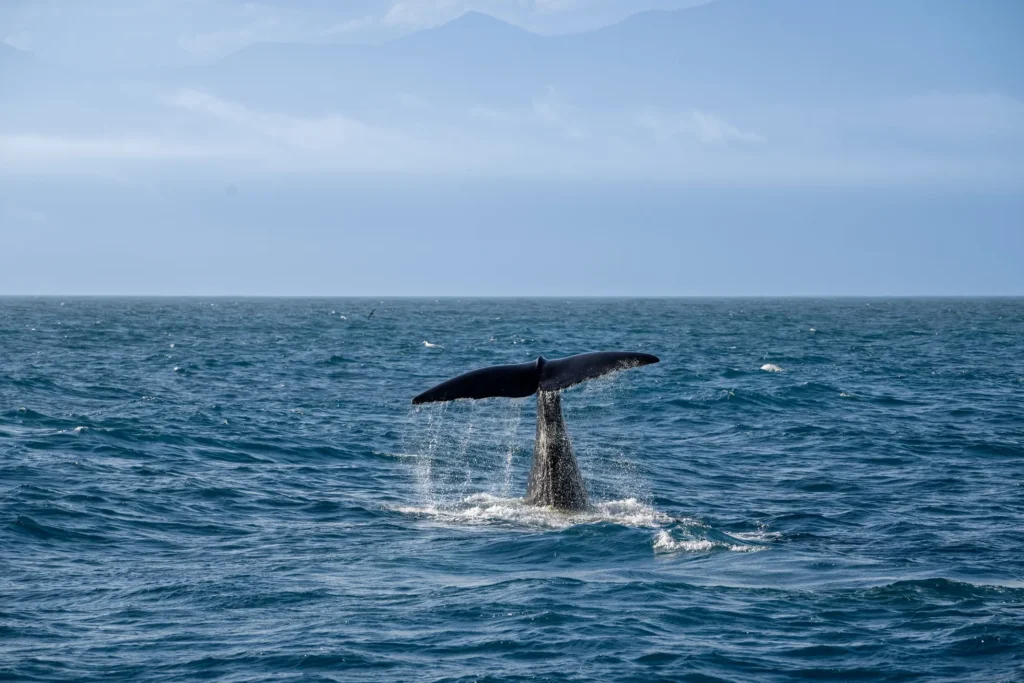
For whale watching Noosa from land, think about time rather than distance covered. A longer hike does not automatically improve your chances if you barely pause at each lookout. Choose a comfortable position, scan the water slowly and take breaks from binoculars. If a group member is more interested in walking than watching, agree on a turn-around time so the day still works for everyone.
For whale watching Noosa on a tour, ask the operator about the departure point, trip length, cancellation policy and whether the vessel suits anyone prone to seasickness or needing assistance. Operators differ, and a tour that runs earlier in the migration season may not offer the same schedule in late October. Check the current booking page directly before you plan the rest of your day around it.
If the sea is rough or a tour cannot depart, whale watching Noosa can become a land based lookout visit when park conditions allow. A change of plan is easier if your accommodation and meal bookings have a little flexibility. Keep your expectations centred on the coastal experience and the possibility of wildlife, rather than a promised photograph.
Build a Noosa day around the lookout
For a gentle morning, start early, walk to Boiling Pot, watch for a while and return for breakfast near Noosa Heads. For a more active day, continue to Dolphin Point or Hell’s Gates if conditions suit, then leave the afternoon free for a meal and a patrolled beach. A family may prefer the shorter route followed by time near Main Beach; a couple might choose a longer walk and an unhurried lunch.
If you are staying for more than a day, use Noosa Life accommodation to choose a base that fits your travel plans. Noosa Life events can help you pair the nature outing with another local activity. Keep the whale watching as an opportunity rather than the only reason for the trip.
Enjoy whale watching Noosa without a guarantee
October is within the season when humpbacks may pass Noosa, and the national park offers several ways to watch from shore. Pick the lookout that suits your ability and time, use the official track, and give yourself enough of a pause to appreciate the ocean. If a whale surfaces, it is a memorable bonus. If not, the walk and coastal views still make a good Noosa day.
Browse Noosa Life attractions for another stop and check Queensland Parks Coastal Walk information before you leave. A safe, flexible plan makes it easier to enjoy whatever the coast shows you.